What Is an RFID Parking Reader and How Does It Work?
An RFID parking reader is a practical identification device that helps manage vehicle access without requiring drivers to stop and handle a ticket. The term “Считыватель Rfid для парковки” refers to an RFID reader designed for parking environments. It detects a compatible tag, card, or windshield-mounted transponder through radio signals. The reader then sends the captured identifier to a parking management system.
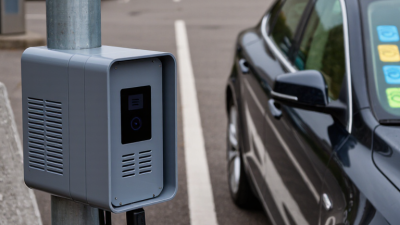
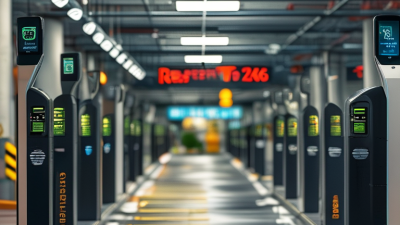
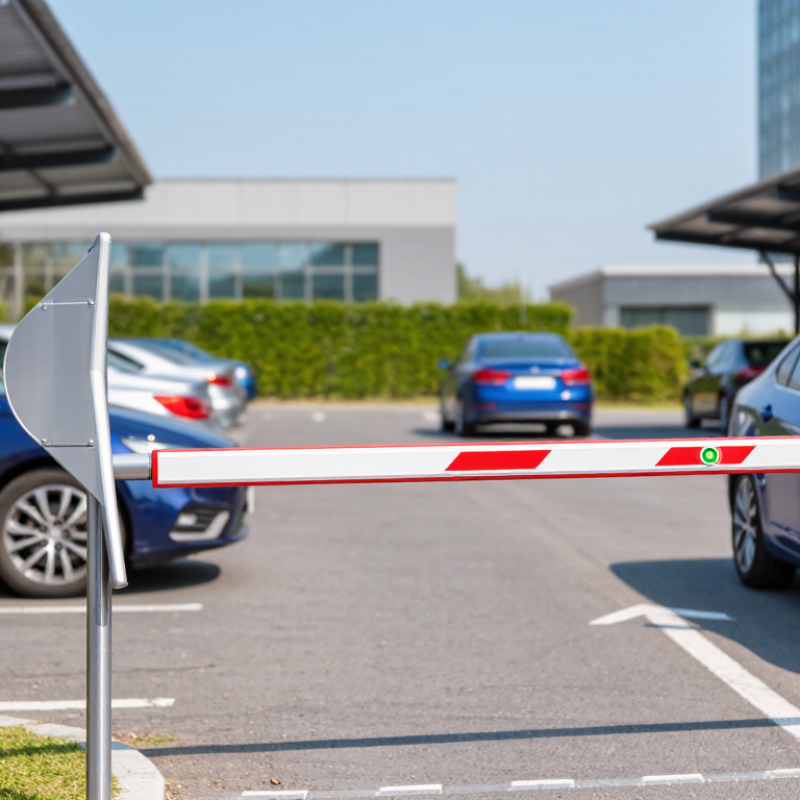
In a typical installation, an antenna is positioned near the entrance lane. When an authorized vehicle approaches, the reader energizes a passive tag or receives a response from an active device. The system checks the identifier against its access database. If the data matches the configured rules, a controller can open the barrier. A small indicator light or a brief beep confirms the result. The process usually takes only a few seconds.
Performance depends on more than the reader itself. Metal structures, poor antenna placement, tinted windshields, and nearby radio interference can reduce reliability. No installation is flawless. That limitation deserves attention. Technicians should test different vehicle heights, approach speeds, and weather conditions before opening a site. They should also review access logs and protect stored identifiers with appropriate security controls.
Experienced installers often combine RFID with loop detectors, cameras, or keypad verification. These additional systems can reduce false readings and support operational review. However, extra equipment increases maintenance needs and costs. A well-designed solution balances convenience, detection range, data protection, and dependable operation. Understanding how each component communicates makes future troubleshooting much easier.
What Is an RFID Parking Reader?
An RFID parking reader is a radio-based device that identifies vehicles through a small RFID tag. The tag may sit on a windshield, license plate, or access card. When a vehicle approaches, the reader sends radio energy through one or more antennas. A passive tag reflects a coded response, while the reader forwards that identity to an access controller or parking system.
It is not a camera.
In practical installations, the reader must distinguish one vehicle from another at a gate, often within a few meters. Software can then check permissions, record entry time, and activate the barrier. Reader performance depends on antenna position, metal surfaces, weather, vehicle speed, and radio interference. This is where real-world testing matters. A specification sheet cannot predict every parking lane.
The RAIN Alliance industry report for 2024 reported more than 45 billion RAIN RFID tags sold globally in 2023, showing the technology’s broad industrial adoption. GS1 standards also support consistent electronic identification and data exchange across supply chains. However, RFID does not automatically provide secure access. Strong system design still requires protected credentials, controlled databases, audit records, and regular maintenance. That distinction is sometimes overlooked. A reader only captures an identifier; the surrounding system decides what that identifier means.
What Components Make Up an RFID Parking System?
An RFID parking system is built from several coordinated parts. The RFID tag is attached to a vehicle or access card. Passive tags need no battery. They reflect energy from the reader and return a stored identification code. The reader, antenna, and controller form the recognition layer. The antenna creates the reading zone near the entrance barrier. The controller checks whether the captured code matches an approved record.
A complete installation also needs barriers, vehicle sensors, network equipment, power protection, and management software. Sensors confirm vehicle presence and reduce accidental barrier movement. The software connects entry events with user accounts, payment records, time limits, and audit logs. A local controller can keep gates working during a network outage. That detail is easy to overlook. In 2024, MarketsandMarkets estimated the global RFID market at about USD 14.5 billion in 2023, with strong growth expected through 2028. This wider investment supports continued development in parking hardware and integration.
Security depends on more than the tag. Access rules, encrypted communication, role-based permissions, and careful data retention all matter. Reader placement also requires field testing because metal, nearby vehicles, and weather can affect performance. In practice, a reader may miss a tag. Software should record the exception instead of hiding it. Grand View Research has identified RFID as a growing identification technology, but market forecasts are not guarantees. Installers still need site measurements, maintenance plans, and human review.
How Does an RFID Parking Reader Identify Vehicles?
An RFID parking reader identifies a vehicle through a small electronic tag, usually fixed inside the windshield. The tag stores a unique identification number. It does not need a battery in many parking systems. When the vehicle approaches, the reader sends a radio signal through its antenna. The tag captures this energy and sends its number back.
The reader receives the signal within a controlled distance, often near an entrance barrier or payment lane. Software then compares the tag number with an authorized vehicle record. It may check entry time, parking status, payment details, or access permissions. A camera can record the license plate as an additional verification layer. This pairing helps staff investigate mismatches without relying on one signal alone.
Reader accuracy depends on practical conditions. Metal-coated glass, poor tag placement, and several nearby tags may weaken or confuse detection. A tag hidden in a wallet may not perform like one mounted on the windshield. I have found that simple installation instructions prevent many avoidable failures. Still, no RFID system is perfect. Heavy rain, electrical interference, or a damaged antenna can produce a missed read. Reliable facilities use clear warning lights, manual review, and secure data controls. They also limit collected information to what parking operations genuinely require.
What Are the Main Benefits and Limitations of RFID Parking Readers?
An RFID parking reader identifies a vehicle through a radio signal. A windshield tag stores a unique ID. When the vehicle reaches the entrance, an antenna sends energy to the tag. The tag answers, and the system checks permission before lifting the barrier. This contactless process can reduce queues and ticket handling. MarketsandMarkets’ 2023 RFID report forecasts the global RFID market will grow from 17.9 billion dollars in 2023 to 40.5 billion dollars by 2028. That growth reflects wider confidence in automated identification.
The main benefit is speed. A properly positioned reader can recognize a vehicle within seconds, even during busy periods. Operators also gain digital entry records, easier space monitoring, and fewer lost tickets. However, RFID is not flawless. Metal barriers, tinted glass, moisture, and poorly placed tags can weaken signals. Two nearby tags may also create reading errors. Installation requires antennas, software, wiring, and regular testing. Costs can become noticeable for small car parks. Privacy also needs careful handling, because movement records may reveal arrival patterns. A system can be technically secure and still feel intrusive. That concern deserves more attention.
Tips: Test readers with different vehicle types, weather conditions, and tag positions. Keep a backup entry method for failed reads. Review stored data regularly, and remove records that no longer serve a clear operational purpose. A pilot project is often wiser than a full installation, although pilots can produce overly optimistic results if traffic is too light.