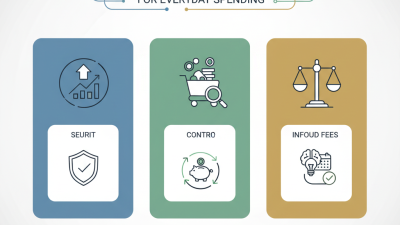
How to Get a Visa Gold Card for Global Purchases
A Visa Gold card can make global purchases feel smoother, but approval is never automatic. Each issuing bank sets its own income, residency, credit-history, and identity-verification requirements. The label “Gold” also differs between markets. Benefits, fees, insurance, and foreign-exchange terms may change significantly.
Industry data shows why careful selection matters. Visa’s 2024 Annual Report recorded 233.8 billion processed transactions worldwide, demonstrating the scale of its payment network. Worldpay’s Global Payments Report 2024 also found that digital wallets represented about half of global e-commerce transaction value in 2023. Yet wallets and cards do not remove exchange-rate costs. A small conversion margin can become visible after several hotel, airline, and retail payments.
“Security is a journey, not a destination,” Visa’s former Chief Risk Officer Ellen Richey said. Her point applies directly to every Карта Visa Gold application and overseas purchase. Strong authentication, transaction alerts, and temporary card controls can reduce risk, but they cannot replace personal judgment.
This guide explains how to compare issuers, prepare documents, and request a Карта Visa Gold responsibly. Expect practical details: a passport beside your application, proof of address uploaded clearly, and fee tables checked line by line. Ask whether the card supports international online payments, contactless use, emergency replacement, and local-currency billing.
The highest credit limit is not always the best choice. That assumption deserves testing. A premium appearance may hide expensive annual fees or weak travel benefits. Readers should verify current terms with the issuing bank, because product conditions and acceptance policies can change.

What a Visa Gold Card Is and How It Supports Global Purchases
A Visa Gold Card is a premium-tier payment card designed for everyday spending and international purchases. “Gold” is not a universal benefit standard; each card issuer sets its own fees, limits, rewards, and approval rules. The card usually runs on Visa’s global payment network, allowing purchases at participating merchants and cash withdrawals at eligible ATMs.
Its value becomes clearer during travel. A gold card may provide foreign transaction tools, fraud monitoring, emergency card replacement, and purchase protection. However, benefits vary sharply. Read the fee schedule before applying, especially for currency conversion, ATM withdrawals, and overseas cash advances.
Worldpay’s Global Payments Report 2024 estimated that digital wallets represented about 50% of global e-commerce transaction value in 2023. A widely accepted physical card still matters when a small café, hotel desk, or rural terminal cannot process a wallet payment. That detail is easy to overlook.
To obtain one, compare cards issued in your country, check the required income and credit profile, and review the annual fee against realistic spending. Prepare identification and proof of income, then submit an application through the issuer’s verified channel. Ask how exchange rates are calculated. Also confirm whether travel assistance is included or merely advertised as an optional service. Industry guidance from the Consumer Financial Protection Bureau stresses reviewing foreign transaction and currency-conversion disclosures before international use. I would not assume “Gold” means better value. Sometimes, a lower-tier card has clearer pricing and suits frequent global purchases more effectively.
Eligibility Criteria and Documents Needed for a Visa Gold Card
A Visa Gold Card can support international purchases, but eligibility depends on the card issuer and your country of residence. Applicants are commonly required to meet a minimum age and provide a stable residential address. Many issuers also review income, employment status, existing debts, and credit history. A strong credit profile may improve approval chances, but it does not guarantee acceptance.
Typical documents include a valid government-issued identity document, proof of address, and evidence of income. Recent payslips, employment letters, tax records, or bank statements may be accepted. Self-employed applicants might need business registration or certified financial statements. Documents should be current, readable, and consistent. Even a small mismatch in your name or address can delay verification. Requirements are not perfectly uniform, so checking the issuer’s official application page remains essential.
Tips: Keep digital and printed copies of every document. Ask whether translations must be certified. Review annual fees, foreign exchange charges, and spending limits before applying. Do not submit altered information. A rushed application often creates avoidable problems, and I would not assume that a high income replaces a weak repayment record.
How to Compare Visa Gold Card Issuers and International Benefits
Comparing Visa Gold card issuers requires more than checking the card’s appearance. Examine annual fees, foreign transaction charges, exchange-rate methods, and cash withdrawal costs. A low fee may hide expensive overseas usage.
International acceptance matters, but support quality matters more during trouble. Check whether the issuer offers 24-hour assistance, emergency card replacement, and multilingual service. Confirm the card’s acceptance in your usual destinations, including smaller towns and transport stations. I would also test the issuer’s response time before traveling. A clear answer is valuable.
Read every benefit condition carefully. Travel insurance may require purchasing transport with the card, while rental protection can exclude certain vehicles. Airport lounge access may have visit limits or separate enrollment fees. Review purchase protection, medical assistance, and dispute procedures in writing. Keep digital and printed copies of important contact numbers.
Look at security controls, too. Real-time alerts, adjustable spending limits, and temporary card freezing can reduce stress abroad. Some issuers provide strong controls but weak human support. That trade-off is easy to miss. I would compare at least three issuers using the same spending example, such as a 500-dollar hotel bill and two ATM withdrawals. The result may change when exchange rates, local fees, and insurance exclusions are included. Credentials and reputation help, but current terms deserve closer attention.