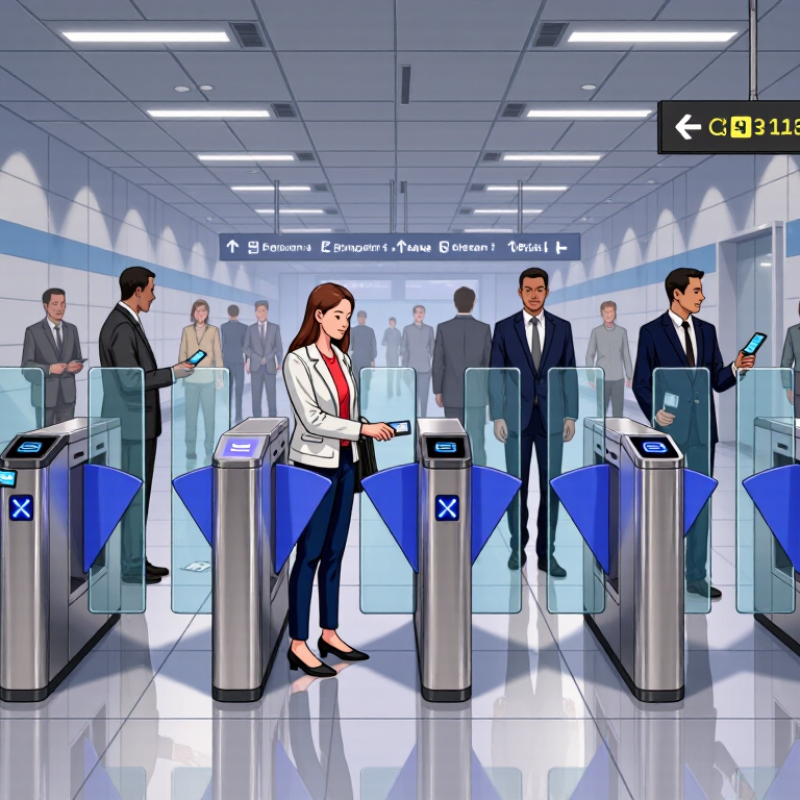
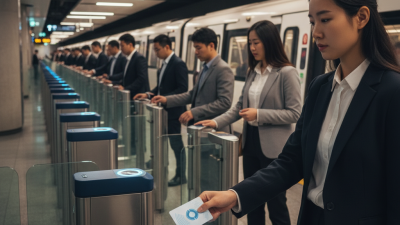
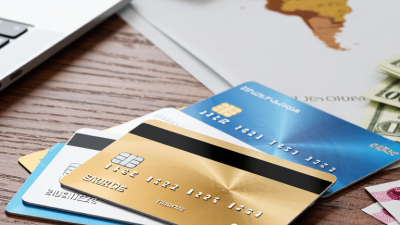
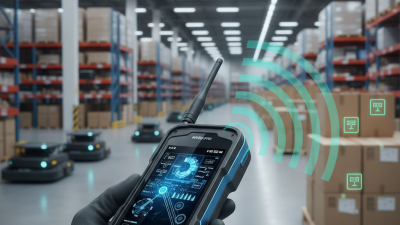
A metro gate opens in a fraction of a second: a passenger taps a card, a reader detects its radio signal, and the fare system checks access. That small exchange helps explain why cities use RFID-based tickets. They allow quick validation without inserting paper into a slot or waiting for a barcode to scan. For busy stations, shaving seconds from each interaction can ease queues at the gates.
The scale is significant. The American Public Transportation Association’s 2023 Public Transportation Ridership Report recorded about 7.1 billion unlinked passenger trips across U.S. public transit systems in 2023. That figure does not measure RFID use, but it shows the volume ticketing systems may need to handle. RFID specialist Klaus Finkenzeller’s RFID Handbook explains the underlying principle: radio communication can identify a tag without direct contact. In practice, performance still depends on reader placement, card design, and reliable back-end systems.
For riders searching “Rfid билет метро,” the appeal is tangible: tap a card, hear a short beep, and keep moving. Operators can also manage fares and permissions centrally, while durable cards may reduce routine paper-ticket handling. But RFID is not a cure-all. Readers can fail, cards can be lost, and poorly designed systems can frustrate passengers. Those details deserve equal attention. A ticketing upgrade should be judged not only by speed, but by whether it works consistently for different riders and station conditions.
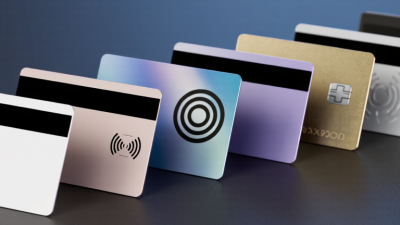
An RFID ticket is a small card or paper ticket with a chip and antenna inside. RFID means radio-frequency identification. The ticket usually does not need a battery. When it comes close to a reader, the reader’s radio field powers the chip briefly and lets it send information back.
At a metro gate, the reader checks the ticket’s data against the fare rules. Depending on the system, the ticket may contain a travel pass, stored value, or a reference number linked to an account. The reader then signals whether entry is allowed. Tap, wait for the light, and walk through. It often takes less than a second. Some gates also record the station and time, so the system can calculate a fare when a passenger exits.
Distance matters. Hold the ticket too far away, or stack it beside another contactless card, and the reader may not detect the right one. A cracked card can fail too. These small frustrations are easy to overlook when describing the technology. RFID can make busy stations move faster, but it still depends on working readers, clear instructions, and reliable fare records. Not magic—just a quick radio exchange and a decision.
Why Metro Systems Adopt RFID Ticketing
Metro systems adopt RFID ticketing because it can make everyday journeys quicker and easier to manage. A passenger taps a card or phone near a reader, and the system checks the ticket without requiring a paper pass to be scanned. At a busy station, that small difference can help keep queues moving. RFID equipment can also support several fare options, such as stored value or time-limited passes. For operators, electronic records can help track usage and plan service capacity, though those records need careful handling.
Convenience matters. Riders may avoid carrying exact change, and staff can spend less time checking paper tickets. The system can also reduce paper use, but it still depends on reliable readers, clear instructions, and accessible alternatives. A missed tap or empty card can cause confusion, especially when someone is rushing for a train. Technology helps, but it does not fix every part of a commute. That is worth remembering.
Tips: Keep your card near the reader for a moment, then check for a light or sound confirming the tap. If it does not register, try again before entering. Avoid storing multiple contactless cards together, since the reader may not detect the one you intended.
| Dimension | How RFID Ticketing Works | Why Metro Systems Adopt It | Practical Consideration |
|---|---|---|---|
| Passenger validation | A reader detects a compatible ticket or card and checks its stored credential or account information. | Passengers can validate fares with a quick tap instead of inserting a ticket into a slot. | Readers and tickets must be correctly positioned and compatible with the system. |
| Faster station access | Contactless readers communicate with a ticket over a short distance, often without requiring physical insertion. | Rapid taps can help reduce queues at busy gates, especially during peak travel periods. | Gate throughput also depends on gate design, passenger behavior, and network capacity. |
| Convenient fare payment | Reusable contactless cards can hold travel value or link to a fare account. | Passengers can use one card for repeated journeys rather than buying a paper ticket for every trip. | Clear options are needed for topping up, checking balances, and resolving payment issues. |
| Flexible fare rules | Fare systems can apply rules such as transfers, daily caps, or different fares based on journey details. | Automated calculations can support more fare options without requiring staff to manually price each journey. | Rules should be communicated clearly, and journey records must be processed accurately. |
| Reduced ticket handling | Reusable cards can be presented repeatedly and do not need to be collected or physically stamped at each gate. | Less handling can simplify routine station operations and reduce reliance on single-use paper tickets. | Cards can be lost, damaged, or forgotten, so alternative purchase and support channels remain important. |
| Operational data | Validation events can provide time-stamped information about entries and exits, subject to system design. | Aggregated usage data can help operators understand demand and plan services and staffing. | Personal information must be protected, with appropriate access controls, retention limits, and privacy safeguards. |
| System integration | RFID-based credentials can be configured to work across compatible gates, validators, and ticketing services. | A shared ticketing approach can make transfers between transport modes easier when systems are integrated. | Interoperability requires agreed technical standards, secure data exchange, and coordinated fare policies. |
| Reliability and security | Readers verify credentials electronically, while system controls can detect invalid or duplicated transactions. | Automated checks can support consistent fare enforcement across many stations. | Systems need maintenance, secure credential management, and procedures for outages or failed reads. |
RFID ticketing commonly uses contactless radio communication. Exact performance, fare features, and privacy practices vary by system and implementation.
A passenger taps a card near the gate, hears a short beep, and keeps moving. RFID tickets let readers exchange data with a card or ticket without direct contact. This makes entry quicker than inserting a paper ticket and waiting for it to return. During busy periods, even a few seconds saved per passenger can ease a growing queue.
The reader checks the ticket’s stored data and confirms whether it is valid for travel. Depending on the fare system, it may also record an entry station or deduct a fare balance. The gate then opens, usually within a moment. No need to unfold a ticket in the rain. Small detail, but useful.
For operators, electronic records can help track passenger flows and identify crowded stations or peak travel times. They can also reduce the handling and printing of paper tickets. Still, RFID is not magic. Readers can fail, cards can be damaged, and unclear gate messages may leave passengers unsure what went wrong. A reliable system needs clear instructions, accessible top-up options, and staff who can help when the gate stays shut. Speed matters, but so does a calm way through when technology hesitates.
Why Do Metro Systems Use RFID Tickets?
Security and Operational Benefits of RFID Tickets
At a crowded metro gate, a paper ticket can bend, tear, or slow down inspection. RFID tickets allow readers to confirm access without direct contact. The process usually takes less than a second. This matters during morning peaks. UITP’s 2023 metro statistics reported more than 50 billion passenger journeys worldwide in 2022. Even small delays can create long queues.
Security depends on the complete system, not the chip alone. Modern deployments can use encrypted communication, mutual authentication, and changing identifiers. These controls make simple copying more difficult. The 2024 Data Breach Investigations Report found that human involvement appeared in 68% of reported breaches. Staff permissions, reader maintenance, and backend monitoring therefore deserve equal attention. RFID is not magic.
Operational teams also gain clearer information. A validated tap can record entry time, station location, and equipment status. Managers can identify unusual congestion and schedule maintenance before failures spread. Offline validation can keep gates working during short network interruptions. Yet data collection needs restraint. Excessive travel histories may create privacy risks, even when systems follow local requirements. A poorly configured reader can reject a valid ticket, especially when cards overlap in a wallet. Field testing, transparent retention rules, and regular security reviews are essential. The technology improves reliability, but disciplined operation determines its real value.
RFID tickets let gates identify passengers within a second. The process feels simple: tap, wait for the green signal, and enter. In busy stations, this reduces physical handling and keeps queues moving. However, real station conditions expose weaknesses that laboratory tests may miss. A damaged card, a crowded reader area, or two cards stored together can cause failed scans. Even a brief delay becomes frustrating during rush hour.
RFID systems also create technical and social concerns. Readers need regular maintenance, and gates require stable power and network support. Paper tickets may be cheaper for occasional users, while rechargeable cards can create disposal problems. Privacy deserves careful attention too. Travel records can reveal movement patterns if operators collect more data than necessary. Clear retention rules, limited access, and strong encryption should be basic requirements. They are not always easy to apply.
Future developments may combine RFID with account-based ticketing and secure mobile credentials. This could support fare changes without replacing every physical card. Offline validation would help during network interruptions. Better reader design could also reduce false rejections near wallets and phones. Yet adding software does not remove every risk. It may create new barriers for older passengers or people without smartphones. I think the strongest systems will offer several access options, not one perfect digital solution. Mistakes will remain, and operators should measure them openly.