What is a Mifare RFID Card and How Does It Work?
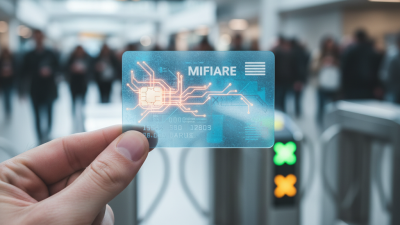
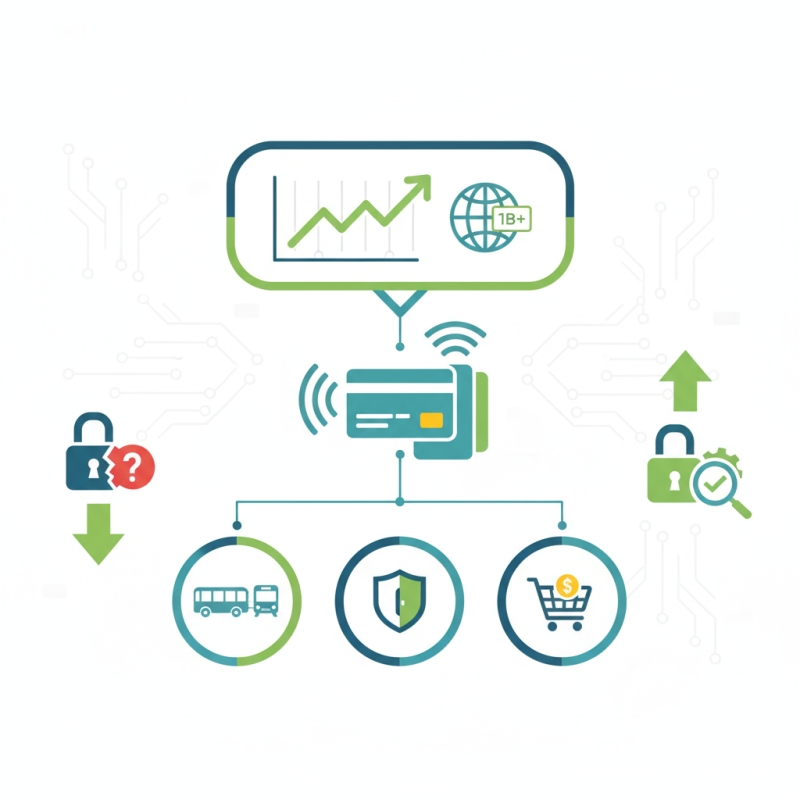
The Mifare RFID card has transformed the way we handle access control and data security. According to industry reports, over 1 billion Mifare RFID cards are in use globally, emphasizing its popularity. These cards operate using radio frequency identification technology, enabling contactless communication with card readers.
Mifare RFID карты are widely used in public transportation, access control, and cashless payment solutions. The seamless interaction between the card and reader allows for quick and efficient processing. However, concerns about security vulnerabilities arise. Instances of cloning and unauthorized access highlight the need for better encryption and awareness of risks involved.
Despite their advantages, Mifare RFID cards are not immune to challenges. Users must remain vigilant. They should regularly assess how these technologies evolve. Understanding the balance between convenience and security is crucial. The future of Mifare RFID technology will depend on continuous development and improving user trust.
What is a Mifare RFID Card?
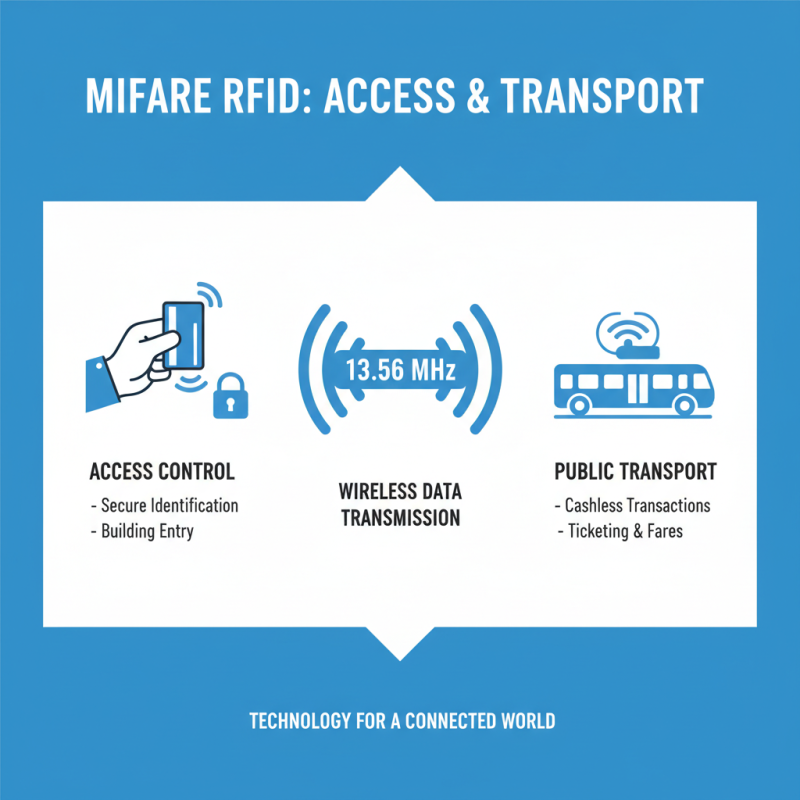
Mifare RFID cards are widely used in access control systems and public transportation. These cards utilize radio frequency identification (RFID) technology to transmit data wirelessly. The Mifare standard operates on a frequency of 13.56 MHz. This makes it suitable for various applications, such as secure identification and cashless transactions.
The Mifare card can store a limited amount of data, typically around 1 KB to 4 KB. This capacity is generally sufficient for storing user credentials and transaction records. Usage statistics show that the Mifare technology is dominant in the RFID market, accounting for about 40% of all RFID systems globally. Many organizations utilize these cards for convenience and efficiency. However, there are concerns about data security. Case studies have revealed vulnerabilities in some systems that rely on Mifare cards.
While Mifare cards are convenient, they aren't impervious to misuse. Unauthorized access has been reported in various settings. In addition, as technology evolves, older systems may fail to meet new security standards. Many companies struggle to balance ease of use with robust security measures. It is essential to understand both the benefits and limitations of Mifare RFID cards for future improvements.
Components of Mifare RFID Technology
Mifare RFID technology consists of several essential components, enabling seamless data transfer.
The core component is the RFID card itself.
This card houses a microchip and an antenna. The microchip stores data, while the antenna facilitates
communication with RFID readers. Together, they function as a compact unit.
Another critical component is the RFID reader.
This device emits radio waves, activating the card when they are in proximity. The reader captures
the card's data and processes it. The reader's range can vary, influencing how it interacts with the card.
Lastly, the backend system is vital for storing and managing
the data transferred from the card. This system can be simple or sophisticated, depending on the application's
requirements. Data security needs emphasis here to prevent
unauthorized access. While Mifare technology is efficient, it can raise concerns about privacy.
Awareness of such potential issues is necessary in implementation.
How Mifare RFID Cards Communicate with Readers
Mifare RFID cards are part of a growing technology ecosystem. They use radio frequency to communicate with readers. The interaction happens through a process called electromagnetic induction. This allows the card to transmit data without contact. According to industry reports, over 10 billion Mifare cards were in use by 2021. Their popularity is largely due to convenience and security.
Communication begins when the reader emits a radio frequency signal. Mifare cards pick up this signal, and their internal chip responds with stored information. The distance for effective communication typically ranges from 10 cm to 1 meter. Yet, this range can vary. Factors like interference from metal or water may impact performance. It's also noteworthy that data transfer occurs at speeds ranging from 106 Kbps to 848 Kbps, depending on the card type.
However, with advancements come challenges. Security vulnerabilities may arise due to improper implementation. Some systems rely on weak encryption methods, exposing data to risks. Ongoing research shows that enhancing protocols could mitigate some of these issues. While Mifare cards are widely used, ensuring robust security measures is vital for user safety.
Applications of Mifare RFID Cards in Various Industries
Mifare RFID cards have a wide range of applications across different industries. In transportation, these cards streamline fare collection systems. Passengers can quickly tap their cards to access buses or trains, making travel efficient. In hospitality, hotels use Mifare cards for room access. Guests enjoy a seamless check-in process.
In retail, these cards enhance customer loyalty programs. They offer convenience for storing and redeeming points. Customers can easily track their rewards. However, not all implementations are perfect. Some systems face technical issues that frustrate users. Regular updates are required to ensure smooth operations.
Tips: When choosing an RFID system, consider security features. Ensure data encryption is in place. Also, keep user experience in mind. Simple interfaces are more user-friendly. Sometimes, training staff on new systems is overlooked. This can lead to misunderstandings and errors.
Mifare RFID Card Applications in Various Industries
Security Features and Data Protection in Mifare Cards
Mifare RFID cards are widely used for various applications. Their security features are crucial for protecting sensitive data. These cards utilize encryption techniques to safeguard information. Data stored on the card is encoded, making it difficult for unauthorized users to access.
The authentication process ensures that only legitimate devices can interact with the card. A secure session is established before any data exchange takes place. This involves using unique keys that change frequently. The technology reduces risks of cloning and other forms of replication.
Despite these security measures, vulnerabilities exist. New threats emerge as technology advances. Regular updates and rigorous testing are essential to address potential weaknesses. Users must remain cautious and informed about best practices for data security. Continued education on the use of Mifare cards can help reduce risks.