Оставьте свое сообщение

What Is Карта Мастер Банка and How Does It Work?

Карта Мастер Банка refers to a historical bank card issued by Master Bank, a Russian financial institution whose banking license was revoked by the Bank of Russia in 2013. The name can mislead. It describes a bank-issued payment card, not the global Mastercard company. Depending on the issue period, the card could support purchases, cash withdrawals, and account access through an applicable payment network.

The operating model was familiar. A customer presented the card at a terminal or entered its details online. The merchant’s acquiring bank sent an authorization request through the payment network. Master Bank then checked the account, card status, and available balance. If approved, the transaction was reserved first and settled later. Behind the plastic, several institutions shared responsibility. Issuers, acquirers, networks, and merchants all handled separate risks.

This structure reflects wider payment trends. The World Bank’s Global Findex 2021 reported that 76% of adults worldwide held an account, compared with 51% in 2011. The Bank for International Settlements also identifies payment cards as a core part of modern non-cash payment systems. Yet access does not guarantee safety or continuity.

For that reason, this article treats Карта Мастер Банка as a historical case study, not an active banking recommendation. Official records from the Bank of Russia remain the strongest reference for its regulatory status. Public product descriptions are uneven, and some details may vary by card type and issue date. That uncertainty deserves attention. A payment card is only as reliable as the institution and systems supporting it.

What Is Карта Мастер Банка and How Does It Work?

Definition and Background of Карта Мастер Банка

“Карта Мастер Банка” is a Russian-language phrase meaning “Master Bank card.” It generally describes a payment card issued by a financial institution, rather than one universal product. The card may support purchases, cash withdrawals, transfers, and online payments. Its exact functions depend on the issuing institution, account agreement, currency, and local regulations.

A typical card connects to a customer account through a processing network. When a customer pays at a store, the terminal requests authorization. The issuer then checks available funds, security signals, and transaction limits. Approval usually takes seconds. The payment industry is expanding quickly. The World Bank’s Global Findex 2021 reported that 76% of adults worldwide held an account, compared with 51% in 2011. It also found that 64% of adults in developing economies made or received a digital payment in 2021.

Security remains central. Cards may use one-time codes, transaction alerts, spending limits, and tokenized payment details. The Bank for International Settlements has repeatedly identified fraud controls and operational resilience as important priorities for digital payments. Still, a card is not automatically safe. Fees, exchange-rate margins, renewal rules, and dispute procedures require careful review. The Russian wording can also create confusion, because translation alone does not reveal the card’s actual rights or limitations. A reliable definition must come from official account documents, not advertisements or informal explanations.

What Is Карта Мастер Банка and How Does It Work? - Definition and Background of Карта Мастер Банка

Data Dimension Definition or Process Relevant Facts
Basic definition A bank payment card is a physical or digital instrument linked to a payment account or credit facility. It can be used for purchases, cash withdrawals, account access, and certain online services.
Historical background Payment cards developed from earlier charge and credit-account systems and later adopted electronic authorization. Magnetic-stripe technology was gradually supplemented or replaced by chip, contactless, and tokenized payment methods.
Card categories Cards may be debit, credit, prepaid, or virtual, depending on how funds are provided and accessed. Debit cards normally use available account funds, while credit cards use an approved borrowing limit.
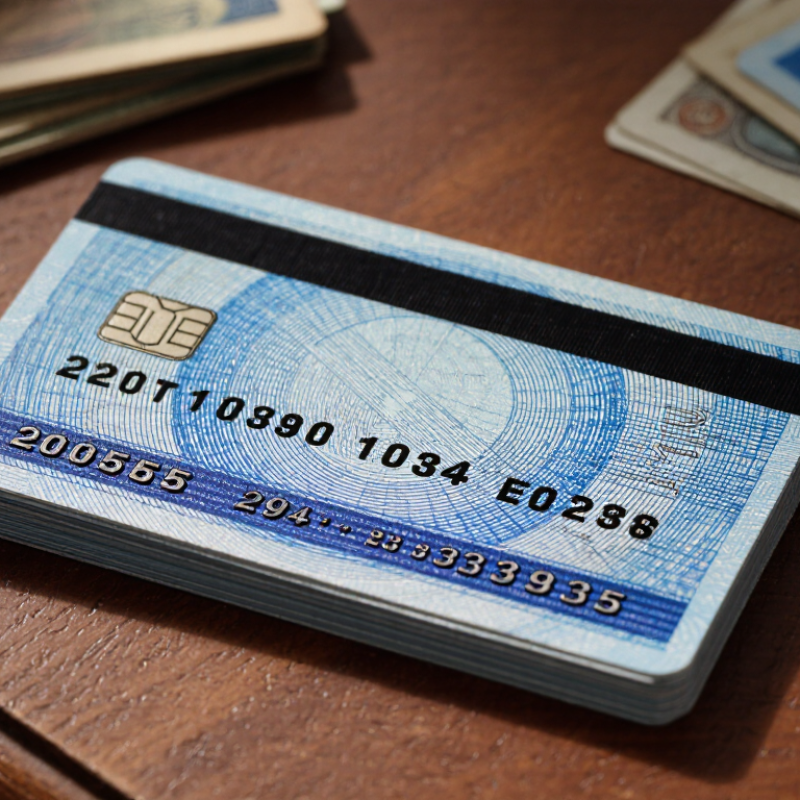
Main card details Common details include the card number, expiration date, security code, chip, and cardholder name where applicable. Sensitive details should not be shared through unsecured messages or with unverified recipients.
Payment initiation A transaction begins when the card is inserted, tapped, swiped, or entered into an online checkout. Contactless payments use near-field communication over a short distance between the card and the terminal.
Authorization The payment request is sent through the acquiring institution and payment network to the card issuer for approval. Approval may depend on available funds, credit limit, card status, spending controls, and fraud checks.
Clearing and settlement After authorization, transaction records are exchanged and the final amount is transferred between participating financial institutions. A pending transaction may appear before the final amount is posted to the account.
Cash withdrawals An automated teller machine verifies the card and identification method before dispensing cash. Withdrawal limits, operator charges, currency-conversion costs, and account fees may apply.
Security controls Security may include a personal identification number, chip authentication, one-time passwords, biometric checks, and transaction monitoring. Extra verification may be required when a transaction appears unusual or is made in a higher-risk environment.
Digital and online use A card may be stored in a digital wallet or used for online payments through encrypted credentials. Tokenization can replace the underlying card number with a device-specific or transaction-specific token.
Fees and limits Possible charges include annual fees, cash-withdrawal fees, foreign-exchange markups, late-payment charges, and replacement fees. The applicable fees, daily limits, and exchange rates are determined by the account agreement and local regulations.
Consumer responsibilities The cardholder should protect credentials, review statements, enable alerts, and report unauthorized activity promptly. Keeping contact information current and blocking a lost card quickly can reduce the risk of further unauthorized transactions.

Key Features and Services of the Card

A bank card of this type combines everyday payments with basic account management.

It usually supports chip-and-PIN payments, contactless purchases, online checkout, and cash withdrawals through compatible ATMs. A practical detail matters: the card works only when the linked account has available funds or approved credit. At a shop, the terminal checks the card details, confirms the transaction, and sends the payment record to the account.

Its main services often include transaction alerts, spending limits, temporary card locking, and digital statements. These tools make unusual activity easier to notice.

Some cards also offer mobile wallet access, customer support, currency conversion, or scheduled payments. Availability can depend on the account plan, country, and current service terms. Fees may apply to withdrawals, foreign transactions, replacement cards, or late payments, so reading the price list is important.

Security is not automatic. Keep the PIN private, use strong account access, and review statements regularly. I would not rely only on phone notifications; a delayed alert can happen.

The clearest benefit is control. You can see where money goes, set boundaries, and contact support when a payment looks unfamiliar. Yet features may differ from the public description, and some limits are easy to overlook. Checking the agreement before use remains the more dependable habit.

How to Apply for and Activate the Card

Applying for the card usually starts through the provider’s official website, mobile application, or service office. Prepare a valid identity document, current contact details, and proof of residence if requested. Read the interest rate, annual fee, withdrawal limits, and foreign transaction charges before submitting. Approval is not automatic. It may depend on identity checks, income information, and local eligibility rules.

The World Bank’s Global Findex 2021 reported that 76% of adults worldwide held a financial account. This growth makes digital applications more common, but convenience can hide small mistakes. Check every digit in your phone number and address. After approval, follow the delivery instructions and confirm that the envelope is sealed. Activation normally requires the card number, an identity check, and a personal PIN. Use only the activation method shown in the official instructions, such as the secure app, automated phone line, or ATM. Never share a one-time code with another person.

Tips: Sign the card after receiving it. Create a unique PIN. Avoid birthdays and repeated numbers. Keep transaction alerts enabled. The Federal Reserve’s 2023 Diary found that cash represented 16% of U.S. consumer payments, so card security still matters even when cash use declines. I would also make one small purchase first, then review the account record. It is a simple test, though not perfect. If activation fails, stop retrying and contact verified support through the official channel.

What Is Карта Мастер Банка and How Does It Work?

A payment card typically moves through four practical stages: application, identity verification, card delivery, and activation. The chart shows estimated user-facing time for each stage; actual timing varies by issuer, country, delivery method, and verification requirements.

To apply, users generally provide personal details and identity documents. After approval and delivery, activation is commonly completed through a mobile app, online banking, an ATM, or a first chip-and-PIN transaction.

How Payments, Transfers, and Withdrawals Work

A bank card works as a payment tool linked to a personal account. When you pay in a shop, the terminal checks your card details, available balance, and security status. Online payments may require a one-time code or approval in a banking app. The amount can appear as pending before the merchant receives it. This delay is normal, but it can temporarily reduce your available balance.

Transfers usually move money between accounts using account details or a saved recipient. Check every digit before confirming. A wrong transfer may be difficult to reverse, depending on the bank’s procedures and local rules. Processing times can vary, especially during weekends, holidays, or technical maintenance. Currency conversion may also affect the final amount. The displayed exchange rate is not always the rate used at settlement.

Tips: Keep notifications enabled and review transactions weekly. Use a protected network for banking activity. At an ATM, inspect the card slot and cover the keypad while entering your PIN. Withdrawals may have daily limits or service charges. I have found that small fees are easy to miss when several transactions happen quickly. That is worth checking. If a payment remains pending too long, contact the card issuer through its verified support channel and keep the transaction reference.

Fees, Security Measures, and Account Management

A Карта Мастер Банка account usually works as a payment card linked to a personal balance. Users can pay in stores, make online purchases, and withdraw cash where permitted. The exact services depend on the account agreement and local availability.

Fees deserve close attention. A provider may charge for card issuance, maintenance, cash withdrawals, currency conversion, or inactive accounts. Small costs can accumulate quietly. Check the current tariff sheet before transferring money or using an overseas terminal. A practical habit is reviewing monthly statements, even when every purchase looks familiar. I once overlooked a minor conversion charge.

Security controls should include transaction alerts, strong passwords, device verification, and temporary card locking. Two-factor authentication adds another barrier during login. Never share a verification code, even with someone claiming to offer support. If a phone is lost, change the account password and revoke trusted sessions quickly. Security is never automatic.

Account management is usually handled through an online portal or mobile application. Customers can view balances, set spending limits, download statements, and update contact details. Keep recovery information current. Otherwise, a routine login problem may become unnecessarily difficult. Review notification settings after opening the account, because silent alerts can hide suspicious activity. Mistakes still happen, so report unfamiliar transactions promptly and keep screenshots or reference numbers for follow-up.