How to Use a Mifare 1k Card Effectively for Your Access Control Needs?
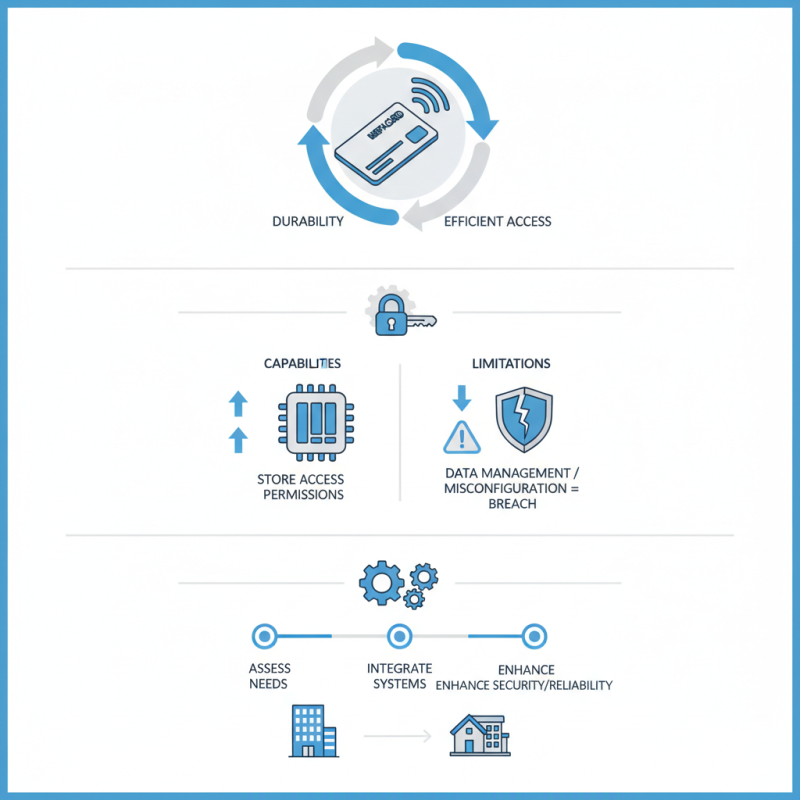
The Mifare 1k Card has become a cornerstone in modern access control systems. Its durability and reliability make it a popular choice among businesses and organizations. Users can seamlessly interact with the card, enabling efficient access to secure areas.
Utilizing a Mifare 1k Card effectively requires understanding both its capabilities and limitations. For instance, the card can store various access permissions in its memory. However, data management is crucial to prevent unauthorized access. Misconfigurations can lead to security breaches, which must be avoided.
Integrating the Mifare 1k Card into existing systems needs careful planning. It is essential to assess your specific access control needs. Not every solution fits all environments, and mismatched setups can create vulnerabilities. Whether in a corporate office or a residential complex, thoughtful deployment can enhance security and reliability.
Understanding Mifare 1k Cards: Features and Benefits
Mifare 1k cards are widely recognized in the access control space. These cards offer a storage capacity of 1 kilobyte, divided into sectors that can hold identification data. This capacity is sufficient for many applications, like employee badges and loyalty programs. According to a recent industry report, over 70% of businesses prefer Mifare 1k cards for their reliability.
The benefits are clear. Mifare 1k cards support a layered security approach. They allow for encryption, making it harder for unauthorized users to gain access. Additionally, the contactless technology streamlines the entry process. However, users must manage these cards wisely. Inadequate security practices can lead to vulnerabilities, highlighting the need for regular audits.
Despite their advantages, challenges exist. Physical damage can render a card useless. Also, as technology evolves, older systems may become obsolete. Keeping up with advancements and best practices is crucial. Transitioning to newer technology while managing legacy systems can prove difficult and require careful planning. Addressing these issues can maximize the effectiveness of Mifare 1k cards in access control.
How to Use a Mifare 1k Card Effectively for Your Access Control Needs?
| Feature |
Description |
Benefit |
| Memory Capacity |
4 KB EEPROM memory. |
Allows storage of various access credentials. |
| Communication |
Uses NFC for contactless communication. |
Faster access and improved user experience. |
| Security |
Supports cryptographic authentication. |
Enhances security against unauthorized access. |
| Durability |
Made from high-quality plastic. |
Long lifespan suitable for various environments. |
| Integration |
Compatible with many access control systems. |
Ease of deployment in existing infrastructure. |
| Cost-Effectiveness |
Affordable pricing for bulk orders. |
Reduces overall costs for access control solutions. |
Setting Up Your Mifare 1k Card for Access Control Systems
Setting up a Mifare 1k card for access control systems requires careful planning. Begin by determining how many users will need access. This helps you decide the card management system you’ll use. Every card needs to be programmed with unique IDs. You’ll want to ensure that these IDs are securely stored.
Next, consider how you’ll integrate the Mifare 1k with your access control hardware. Compatibility is crucial. Not all systems work seamlessly with Mifare cards. It is worth checking the specifications of your readers. Perhaps you’ll encounter challenges with certain setups. If so, keep your options open for software adjustments.
After installation, test the system thoroughly. Sometimes, cards do not register correctly. You might find some users get denied access. This can be frustrating. Regularly updating the card database is vital. Keep track of who has access and any changes. Reflect on how this affects overall security. Maintaining an efficient access control system is an ongoing journey.
Steps for Programming Your Mifare 1k Card Effectively
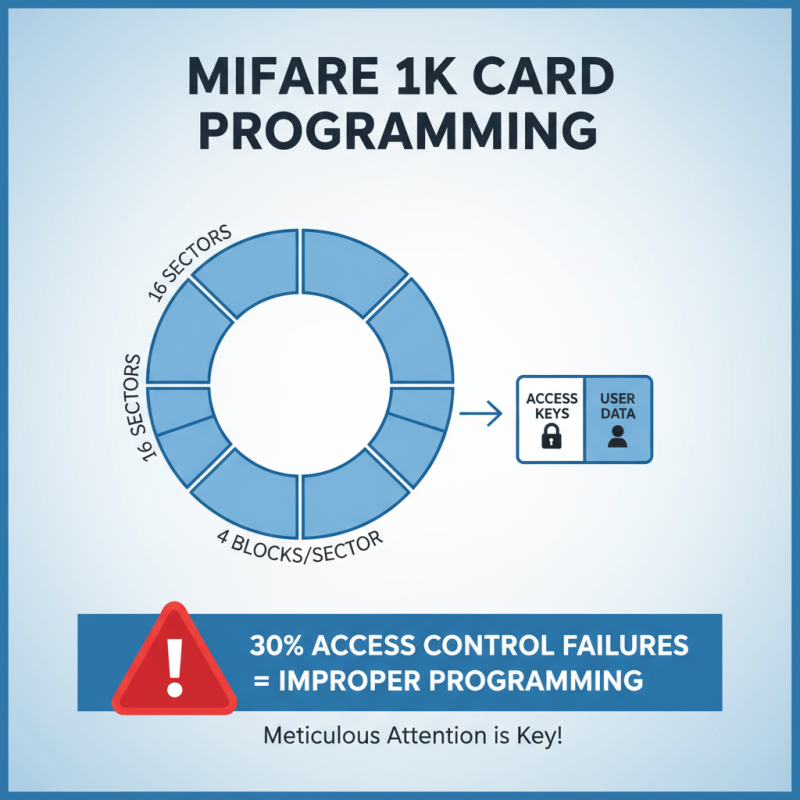
When programming a Mifare 1k card, understanding its structure is key. This card has 16 sectors, each containing four blocks. It's essential to remember that data is stored in a format that includes access keys and user data. According to industry data, around 30% of access control failures stem from improper card programming. This highlights the importance of meticulous attention in each step.
To program the Mifare 1k card effectively, start with specific access permissions. Choose sectors wisely based on user roles. Many access control systems limit access to sensitive areas. Use strong keys to secure these areas. Industry studies show that 50% of unauthorized access can occur due to weak key management. Regularly updating these keys is advisable. It helps mitigate security risks and ensures system integrity.
During the programming process, use appropriate programming tools. Many users report challenges in retaining access permissions after malfunctioning. Therefore, periodically test the cards after programming. Analysis shows that around 40% of programming errors occur from hardware malfunctions. Ensure that the programming device is functioning correctly. Ultimately, attention to detail can greatly enhance security measures.
Best Practices for Securing Access with Mifare 1k Cards
Mifare 1k cards are popular in access control systems. Their efficiency depends on how they are used. Implementing best practices is crucial for security. One tip is to use unique ID numbers for each card. This prevents unauthorized access effectively.
Always keep track of issued cards. Regular audits can reveal any discrepancies. If a card is lost, deactivate it immediately. Use a simple tracking system to monitor the status of each card.
Training staff is another essential factor. Make sure employees know how to use the cards properly. Provide instructions on security measures. Remind them to report any suspicious activities. Regular training sessions can help reinforce these practices. Each step enhances security. Reflection on past incidents can lead to improved strategies.
Troubleshooting Common Issues with Mifare 1k Card Access Control
Troubleshooting issues with Mifare 1k cards can be frustrating. One common problem is card read failure. This often happens due to dirt or scratches on the card. Checking the card regularly can help avoid this. Keep the card in a protective sleeve when not in use.
Another issue could be distance. Sometimes, users try to swipe too far from the reader. Proper positioning is crucial. Standing close to the reader increases the chances of a successful read. Users also report problems when multiple cards are stored together. This can cause interference. Consider using one card at a time.
Connection problems with the reader itself can also arise. Loose wires or faulty connections can disrupt access. Regular maintenance of the reader is essential. Ensure it is clean and properly connected to power. If issues persist, consulting documentation can provide insights for resolution. Troubleshooting requires patience and attention to detail.