Why Choose RFID Transponders for Your Supply Chain Needs?
In today's fast-paced supply chain environment, the need for efficiency and accuracy is paramount. A report by the RFID Journal states that RFID technology can reduce inventory errors by up to 30%. This highlights the importance of adopting RFID transponders in logistics management. RFID transponders streamline tracking by providing real-time data. This technology minimizes manual entry errors and enhances visibility across supply chains.
Moreover, the global RFID market is projected to reach $40 billion by 2025. This growth reflects the increasing reliance on RFID systems for asset management. Organizations using RFID transponders report improved workflow and reduced operational costs. However, implementing such technology requires careful planning and investment. Companies must consider the initial costs and integration challenges with existing systems.
Although RFID offers numerous benefits, it is not without shortcomings. For example, interference and environmental factors can affect signal quality. Businesses must evaluate their specific needs and use cases before deciding. Thus, while RFID transponders present a compelling solution, achieving optimal results necessitates thorough research and adaptation.
Understanding RFID Technology in Supply Chains
RFID technology offers a transformative way to manage supply chains. Unlike traditional barcodes, RFID uses radio waves to automatically identify items. This capability can drastically enhance inventory visibility. With RFID, errors decrease significantly while efficiency improves. Each tagged item can be scanned quickly, ensuring real-time tracking without the need for line-of-sight.
Implementing RFID may come with challenges. Costs for initial setup and training can be high. Companies must evaluate whether the long-term benefits outweigh these expenses. Moreover, not every product may be suited for RFID tagging. There are material considerations that could impact performance. For instance, metal items can interfere with signals. Understanding the limitations is crucial for successful adoption.
Successful use of RFID in supply chains requires careful planning. Collaboration among teams can foster better implementation. Knowledge sharing about potential pitfalls can guide smoother integration. A willingness to adapt is essential. Managers should remain open to feedback from users on the ground. This iterative process is necessary for true optimization. By embracing RFID, companies can enhance their supply chain operations significantly.
Key Benefits of Using RFID Transponders
RFID transponders have become essential tools in modern supply chain management. They offer unique advantages that enhance operational efficiency. One key benefit is improved inventory accuracy. According to a study by the Aberdeen Group, organizations implementing RFID see up to a 20% reduction in inventory discrepancies. This reduction directly translates to fewer stockouts and lower carrying costs.
Another notable advantage is real-time tracking. A report from the International Data Corporation emphasizes that RFID can decrease the time taken for inventory audits by 85%. This allows businesses to respond quickly to changes in demand. RFID also facilitates better visibility across supply chains, enhancing collaboration among various stakeholders.
While RFID offers numerous benefits, some companies face challenges during implementation. Costs can be a concern, especially for small businesses. Transitioning existing processes may require significant investment and staff training. However, the long-term savings and efficiencies gained often outweigh these initial hurdles. Adopting RFID requires careful consideration and planning, but the potential to transform supply chain dynamics is significant.
Comparing RFID with Traditional Inventory Methods
In the evolving landscape of inventory management, RFID transponders are gaining traction compared to traditional methods. A report by the Aberdeen Group indicates that companies using RFID see inventory accuracy improve by up to 30%. In contrast, traditional barcoding often faces challenges such as scanning errors and lag time, leading to discrepancies in stock levels. RFID technology minimizes these errors by enabling real-time tracking, resulting in better decision-making within supply chains.
Integrating RFID into existing systems can require a substantial upfront investment. However, a study by the University of California estimated that businesses could recover costs in under 18 months due to enhanced efficiency. For instance, RFID systems can significantly reduce time spent on inventory counts and order fulfillment. Traditional inventory methods often involve manual tracking that is prone to human error—something that RFID effectively addresses.
One significant advantage of RFID is its ability to provide actionable insights through data analytics. This data can highlight trends in inventory turnover and help optimize stock levels. Yet, some businesses may grapple with the complexity of implementing this technology. Training staff and adjusting processes can pose challenges. Balancing these factors is crucial for maximizing the benefits of RFID in supply chain operations.
Implementation Challenges of RFID in Supply Chains
Implementing RFID technology in supply chains comes with its unique challenges. One major hurdle is the initial investment. While RFID systems can enhance efficiency, their setup costs can be significant. Companies must weigh these costs against potential long-term benefits. Budget constraints often lead to underfunded projects, which can compromise effectiveness.
Staff training is another crucial aspect. Even the best technology fails without knowledgeable users. Employees may require extensive training to utilize RFID systems effectively. Without proper training, resistance to new technology can arise. This transition period can be frustrating and can delay full integration. Companies should anticipate a learning curve and offer continuous support.
Some organizations struggle with data management. RFID systems generate vast amounts of data that require analysis for actionable insights. Poor data handling can lead to incorrect decisions and wasted resources. Teams must develop clear data protocols and invest in robust management solutions. Consider starting with pilot programs to test data strategies before full-scale implementation. This approach allows for adjustments and improvements along the way.
Why Choose RFID Transponders for Your Supply Chain Needs? - Implementation Challenges of RFID in Supply Chains
| Dimension |
Details |
| Cost |
Initial investment includes tags, readers, and infrastructure. |
| Compatibility |
Need to ensure compatibility with existing hardware and systems. |
| Integration |
Integration with ERP systems can be complex and time-consuming. |
| Training |
Employees require training to effectively utilize and manage RFID systems. |
| Data Management |
Handling and analyzing large data sets generated by RFID systems. |
| Environmental Factors |
RFID performance can be affected by environmental conditions like interference. |
Future Trends in RFID Technology for Logistics and Supply Chain
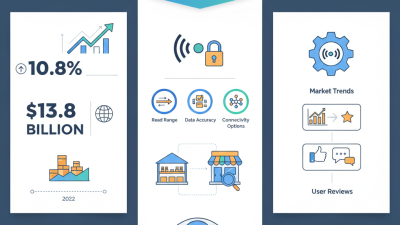
The logistics industry is evolving rapidly, and RFID technology plays a pivotal role. Studies show that the global RFID market is expected to grow from $9.2 billion in 2022 to over $22.8 billion by 2028. This showcases the increasing importance of RFID in streamlining operations. Companies are seeking enhanced visibility and control over their supply chains. RFID transponders offer real-time tracking, reducing delays and errors.
Future trends indicate a shift towards more advanced RFID solutions. The integration of IoT and AI with RFID is gaining traction. According to a recent report, 68% of logistics firms are investing in integrating these technologies. This combination allows for smarter data analytics, leading to better inventory management. However, challenges remain. Many companies still struggle with data security and integration processes.
Despite these hurdles, the benefits are evident. Enhanced accuracy, reduced operational costs, and improved customer satisfaction are top priorities. As technology advances, we can expect RFID systems to become more sophisticated. They will likely adapt to evolving supply chain demands, ensuring efficiency and reliability for years to come.