Best Mifare 1k Card for Global Buyers Looking to Purchase
In today's global marketplace, the Mifare 1k Card has emerged as a popular choice among buyers. This card is widely recognized for its versatility in access control and identification systems. Its compatibility with various electronic devices makes it an ideal option for many applications. As buyers seek reliable solutions, understanding the strengths and weaknesses of different Mifare 1k Cards is crucial.
Purchasing the right card involves more than just comparing prices. Buyers should consider the card's memory capacity, security features, and durability. Some cards may not perform well under specific conditions, leading to potential issues. It is important to engage with experts who can provide insights on which Mifare 1k Card would best suit individual needs.
While many suppliers offer Mifare 1k Cards, not all are equally trustworthy. Some may have inconsistent quality or lack adequate support. Researching manufacturers and reading reviews can help mitigate risks. After all, investing in a quality Mifare 1k Card should ensure long-term reliability and user satisfaction.
What is a Mifare 1k Card and its Key Features?
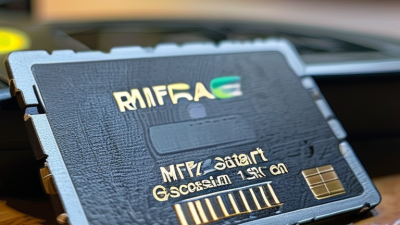
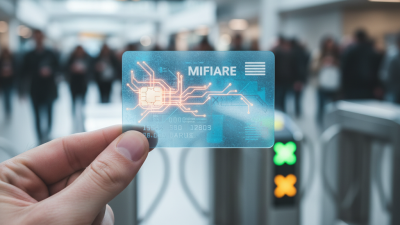
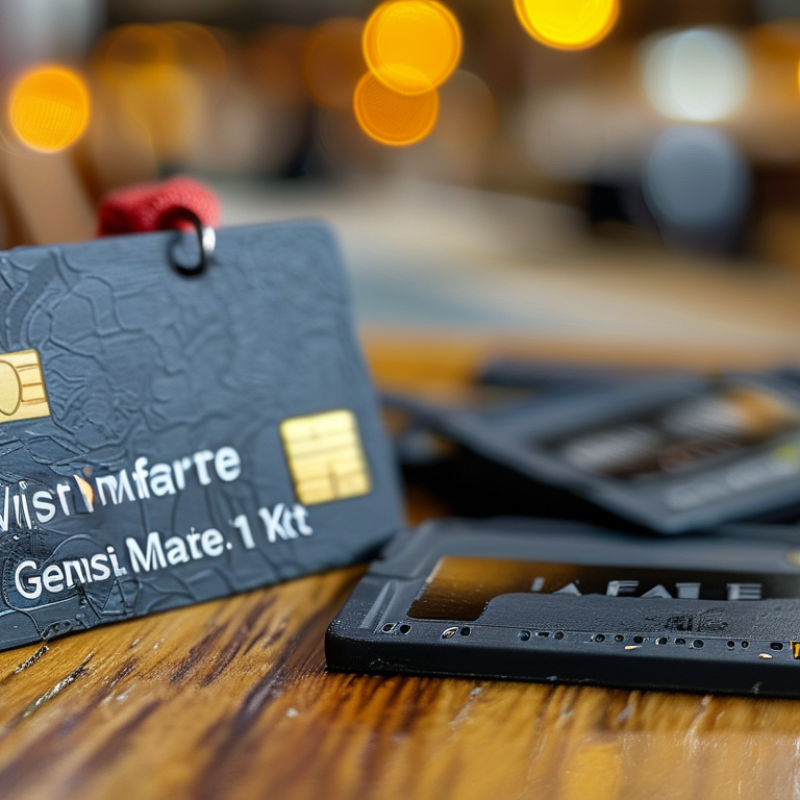
Mifare 1k cards are widely used in access control and identification applications. These contactless smart cards operate at a frequency of 13.56 MHz and comply with ISO/IEC 14443 Type A standards. One key feature is their ability to store 1 kilobyte of data, which is divided into 16 sectors. Each sector can contain a variety of information, such as user credentials, access rights, or loyalty program details.
According to a recent study by MarketsandMarkets, the global smart card market is projected to reach $15.25 billion by 2026. Mifare technology plays a significant role in this growth, as it offers features like fast read times and high security through encryption. However, users should be aware of compatibility issues with some readers. Ensuring the right compatibility is crucial for seamless operations, yet it often goes overlooked.
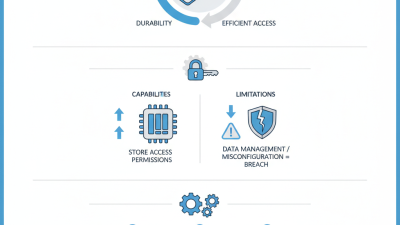
Security is another vital aspect to consider. While Mifare 1k cards have built-in security features, they are not immune to threats. Vulnerabilities, particularly against cloning attacks, have been noted in various studies. This raises questions about the security measures in place for transactions involving these cards. Organizations must weigh the advantages against potential risks when choosing Mifare technology for their applications.
Types of Mifare 1k Cards Available in the Global Market
When exploring the global market for Mifare 1k cards, several types stand out. Mifare 1k cards are widely used for access control, public transportation, and loyalty programs. They contain 1KB of memory, providing ample space for various applications. Users can choose between cards with different form factors and additional security features.
Some standard options include plain cards, adhesive cards, and key fobs. Plain cards are versatile and easy to customize. Adhesive cards attach to other items, enhancing portability. Key fobs are compact and convenient for keychain use. Each type has distinct advantages.
When purchasing Mifare 1k cards, you might consider the following tips. Verify compatibility with your existing systems. Look for suppliers with a proven track record. Check user reviews for feedback. Do not overlook the importance of secure packaging during shipping; this can safeguard the cards against damage. Quality checks upon arrival are crucial. Reflect on the importance of these factors for your specific needs. Reliable suppliers can often offer insights that enhance your purchasing decision.
Factors to Consider When Purchasing Mifare 1k Cards
When considering the purchase of Mifare 1k cards, several crucial factors come into play. Compatibility with existing systems is essential. Many users overlook this aspect. According to industry reports, around 30% of card malfunctions stem from compatibility issues. Ensuring that your Mifare cards sync seamlessly with readers can prevent future headaches.
Security features also warrant careful attention. Mifare 1k cards come with varying encryption levels. In a survey by the RFID Research Network, 45% of professionals indicated that inadequate security can lead to data breaches. Thus, choosing cards with robust encryption, authentication options, and anti-cloning features is vital to protect sensitive information.
Cost is another significant consideration. While it might be tempting to opt for the cheapest option, a study revealed that 60% of organizations faced higher long-term costs due to frequent replacements. Investing in durable cards pays off in the long run. Finding the right balance between quality and cost can help buyers avoid pitfalls in their purchasing decisions.
Best Mifare 1k Cards Comparison
Top Global Suppliers for Mifare 1k Cards
When searching for Mifare 1k cards, global buyers should consider various reliable suppliers.
Quality and consistency are key factors.
It’s essential to choose suppliers who specialize in access control and payment solutions.
These professionals understand the technology and can provide proper support.
A good supplier offers products that meet international standards.
Look for those with positive feedback from previous clients.
Authenticity is crucial; counterfeit cards can lead to system failures.
Buyers should also inquire about the manufacturing process. It reflects the quality and reliability of the cards.
Pricing is often a factor, but it shouldn't be the only consideration.
Cheaper options may compromise quality.
Take time to evaluate different suppliers thoroughly. Reflecting on past experiences could guide better decision-making.
Finding the right supplier takes effort but can enhance overall project success.
Pricing Trends and Cost Analysis for Mifare 1k Cards
The Mifare 1k card market is experiencing notable pricing trends. In recent years, demand surged due to increased usage in access control and transportation systems. According to a recent industry report, the average price for these cards ranges from $0.30 to $1.00 per unit, depending on the purchase volume and customization level. Buyers looking to make bulk purchases can often negotiate favorable pricing.
However, fluctuations in raw material costs and manufacturing processes impact pricing. For instance, a report by market intelligence firm IDTechEx indicates that the plastic and electronic components have seen price hikes of approximately 10%. This can lead to unpredictable pricing for consumers. Many companies face challenges in balancing quality and cost-effectiveness, especially for customized solutions.
While cost is a crucial factor, product reliability should not be overlooked. Some lower-priced options may compromise quality, resulting in malfunction or short lifespan. Industry studies reveal that investing in higher-quality cards often pays off in the long run due to reduced failure rates and longer usage. As the market continues evolving, global buyers must weigh pricing against reliability to make informed purchasing decisions.